

High Vegetarian Content 7 Meals $75
- Jan 8
- 2 min read
Updated: Aug 9
High Veg Content Meal Plan
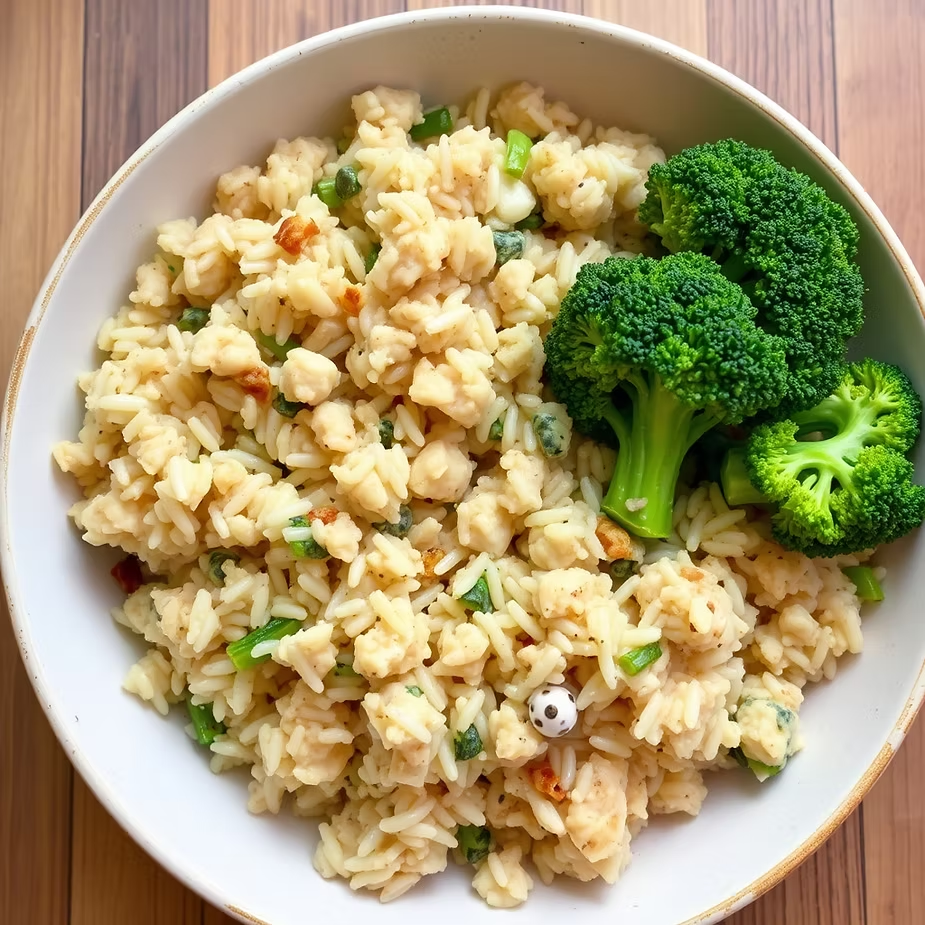
32 oz of green veggies (16 oz) and brown rice pilaf (16 oz).
Best Green Veggies for this type of meal plan:
For a highly nutritious meal plan, the best green vegetables to combine with brown rice are nutrient-dense options like spinach, kale, broccoli, and Brussels sprouts. These offer a powerful mix of fiber, vitamins, and minerals that complement the complex carbohydrates of brown rice.
This $75 sale priced (reg price $126)
7-day meal plan INCLUDES:
4 Meals with Brown Rice Pilaf and broccoli.
3 Meals with Brown Rice Pilaf and Brussel sprouts.

Nutrition Summary:
High Fiber - brown rice and green veggies.
Complex carbs - brown rice will provide slow-released energy and be satiating to fill the appetite.
Moderate Protein.
Full Details:
A meal plan consisting of 16 oz of green vegetables and 16 oz of brown rice provides a high-fiber, nutrient-dense profile that supports heart health, digestive regularity, and sustained energy levels.
Nutritional Profile
High Fiber Content: 16 oz of cooked brown rice contains roughly 8–10 grams of fiber, while 16 oz of green vegetables (like broccoli or spinach) adds another 12–15 grams, significantly contributing toward the daily recommended intake.
Complex Carbohydrates: The 16 oz of brown rice provides approximately 100–105 grams of complex carbohydrates, which offer slow-releasing energy and promote satiety.
Micronutrients:
Vitamins: This combination is rich in Vitamin A, C, and K from the green vegetables. Brown rice adds essential B vitamins like thiamin and niacin.
Minerals: It is a good source of magnesium, phosphorus, potassium, and iron.
Moderate Protein: 16 oz of brown rice provides about 10–12 grams of protein. While green vegetables add some protein, this meal plan may need a supplemental protein source (like beans or tofu) for a complete amino acid profile.
Health Benefits
Digestive Health: The high fiber content supports a healthy gut microbiome and regular bowel movements.
Weight Management: The high volume and fiber of the vegetables, combined with the satiety of brown rice, can help manage calorie intake.
Chronic Disease Prevention: This plant-forward approach is linked to a lower risk of type 2 diabetes, heart disease, and hypertension due to its low sodium and high antioxidant content.
Sustained Energy: Unlike refined grains, brown rice prevents rapid blood sugar spikes, providing lasting energy throughout the day.